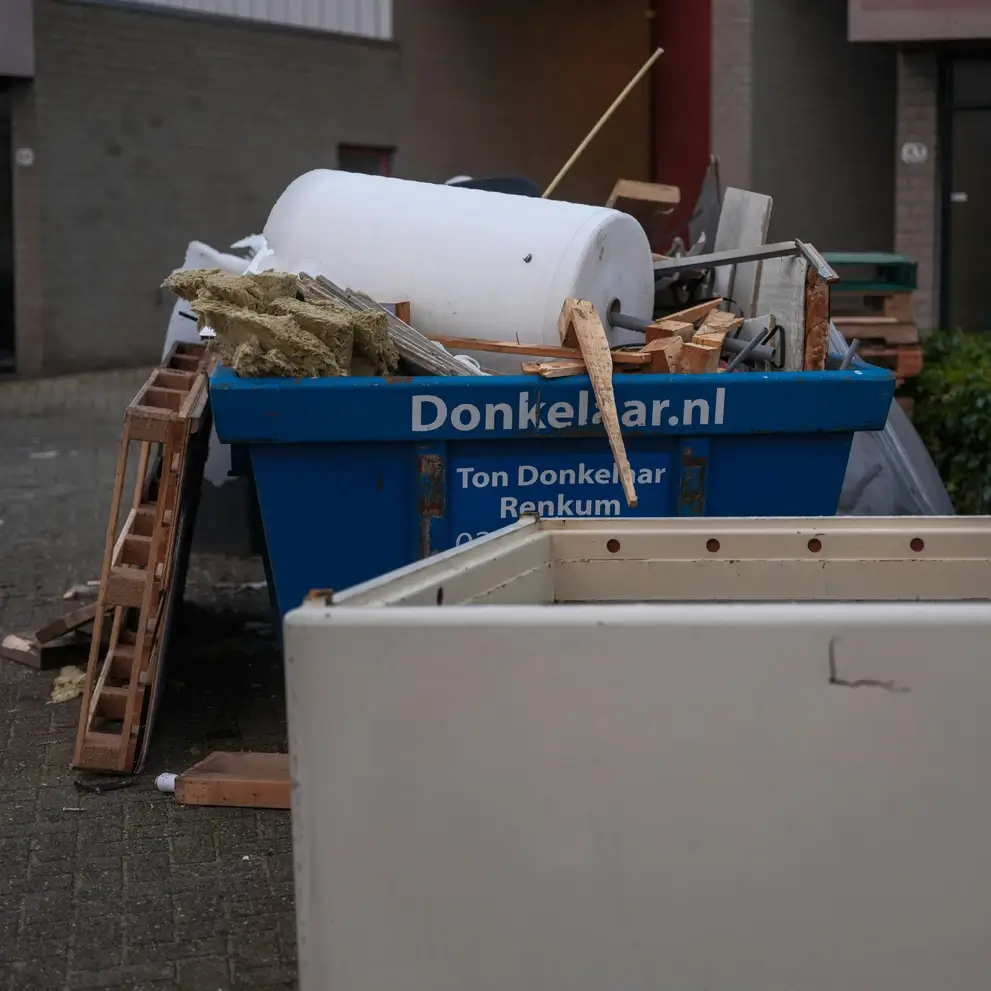
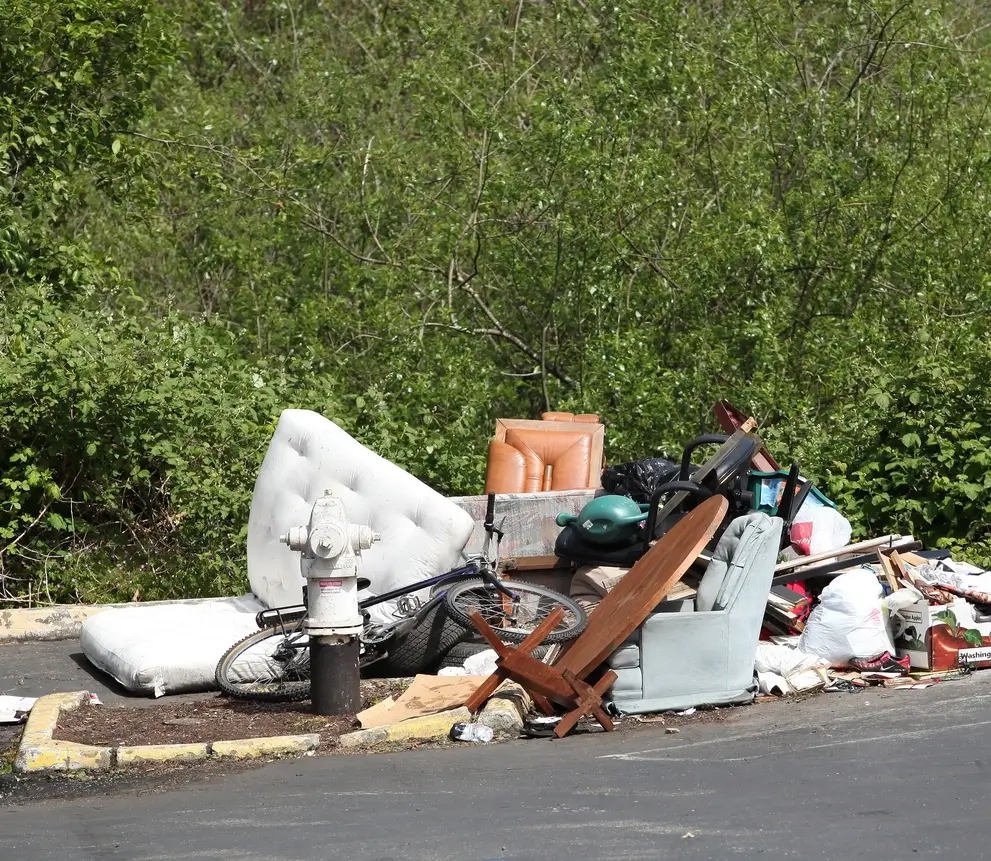
Skip Hire in Finsbury Park
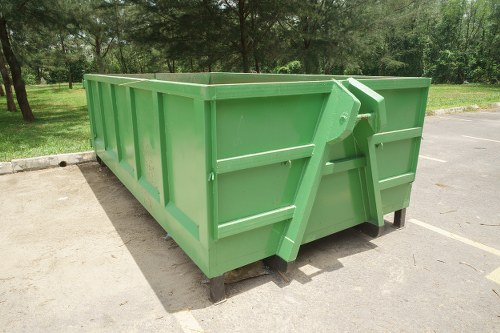
Skip hire in Finsbury Park should feel straightforward: a suitable skip, clear guidance on what can go in it, and a service that matches the space you have available. For home clear-outs, renovation debris, garden waste and ongoing trade work, the right skip size can make waste handling more organised and less disruptive. We provide skip hire for customers who need a practical way to collect and remove mixed waste from a property, site or ongoing project.
Our service covers a range of skip sizes and booking options, so you can choose a container that suits the volume and type of waste rather than over-ordering or running out of room part way through the job. If you need help deciding between general skip hire, builders' skips or a more restricted access solution, our service pages explain the main choices. For a quick starting point, see our skip hire service and the skip sizes and prices information.
When you are planning waste removal, the most useful first step is to think about the material itself: household items, construction rubble, soil, timber, metal, packaging, or a mix of lighter and heavier waste. A good fit depends on how much waste you expect, whether loading is easy from the front of the property, and whether the job needs a standard skip, a wait-and-load option or an alternative method. If you are ready to compare options, you can book online or ask for guidance.
Choosing the right skip for your project
The best skip hire choice depends on the kind of work you are doing rather than the project name alone. A clear-out of stored household items has different needs from a kitchen refit or a building job with heavy rubble. We help customers match the container to the waste stream, so the skip is large enough for the task without becoming awkward to place, fill or collect. That balance matters when access is limited or the work is happening close to neighbours.
For domestic jobs, smaller and mid-sized skips are often the most practical starting point, especially where waste is mainly light material, broken furniture, packaging or general household clutter. For heavier building work, a builders' skip or a service designed for construction waste may be more appropriate because it is intended for denser loads. If your waste includes mixed material and you are unsure how to sort it, our builders skip hire and construction waste disposal pages give a clearer picture of those options.
Typical jobs we support
Skip hire can be useful for many different tasks, and the right service often comes down to the material you need to remove. Common uses include home clearance work, refurbishment waste, garden projects, shop or office clear-outs and waste from small building jobs. A skip can also suit staged work, where waste builds up gradually over several days and needs to remain on site until the project is complete. For lighter, everyday clearances, a service such as domestic skip hire may be the most direct fit.
Skip options for domestic and trade work
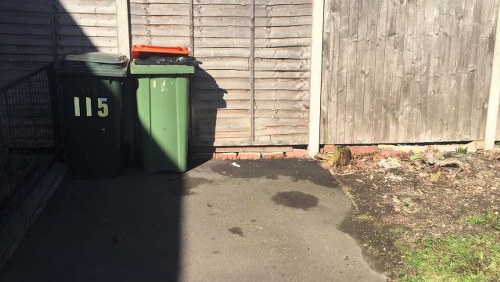
Domestic customers often want a simple arrangement that lets them clear waste without repeated trips to the tip. Trade customers usually need a solution that can support steadier, heavier loading and fit around a working schedule. Our skip hire options are set up to serve both types of customer, with service pages that explain how the main use cases differ. That makes it easier to decide whether you need a general service, a builders' skip, or a more specialised arrangement for site waste.
For recurring or larger-scale work, it can help to look at related services alongside standard skip hire. For example, building contractors may prefer a page focused on commercial skip hire, while domestic customers carrying out home improvements may find builders waste removal useful when the waste is better handled as a removal task rather than a skip drop-off. If the project includes bulky mixed waste, the details on rubbish removal can also help you choose the most appropriate route.
In practice, the right option often depends on access as much as volume. If the area outside the property is tight, if parking is difficult, or if waste needs to be removed quickly once it is sorted, the service choice may shift away from a conventional drop skip. In those cases, a controlled collection style can be more suitable than leaving a container in place for longer than you need it.
Access, permits and practical planning
Planning matters because a skip is not only about the waste itself; it is also about where it can be placed and how collection will work. Before you book, it helps to think about the surface, the available frontage, whether the container can sit on private ground, and whether anything nearby might affect delivery or collection. If the skip needs to go on a public road, permit rules can become relevant, and it is best to check the requirements in advance rather than leaving that decision until the last minute.
For that reason, we also explain the permit side of the process through our skip permits and skip hire permits pages. These pages are useful if you are not certain whether the skip can remain on your own property or whether a permit may be needed for a roadside position. The aim is to keep the process clear and avoid unnecessary delays once your collection date is set.
Useful preparation: keep waste grouped by type where possible, leave a safe space for access, and think about any items that should be separated before loading starts. If you are comparing options or need a quote, the most helpful information is usually the approximate amount of waste, the type of material, and where the skip or collection vehicle will need to reach. This is especially important when the access is narrow, shared or time-sensitive. You can also review our pricing and quotes information before making a request.
Waste types, sorting and what to avoid
Different waste streams call for different handling. General mixed waste from household or light commercial work is common, but certain materials need separate treatment or cannot go in a standard skip at all. That is why the contents matter as much as the size: a container that is perfect for light clear-out waste may not be the right one for soil, rubble, electrical items or specialist materials. When you know the waste type, you can make a cleaner and more efficient choice.
Our guidance pages are there to help you decide what belongs in the skip and what needs alternative disposal. For example, the what can go in a skip page is useful if you want a straightforward overview, while hazardous waste disposal explains why certain items need separate handling. If your waste is mainly white goods or mattresses, the pages on fridge and appliance removal and mattress and sofa disposal are more relevant than a general skip page.
Helping the load stay manageable
A well-planned load is not about perfection; it is about keeping waste practical to collect and process. Heavier items such as rubble are often best loaded first, with lighter material placed around them where suitable, while bulky items may need to be broken down so the available space is used efficiently. If your waste is likely to include multiple categories, it can be sensible to separate recyclable material from general refuse at source, especially if the job is part of a larger property clearance or refurbishment.
Builders' waste and construction projects
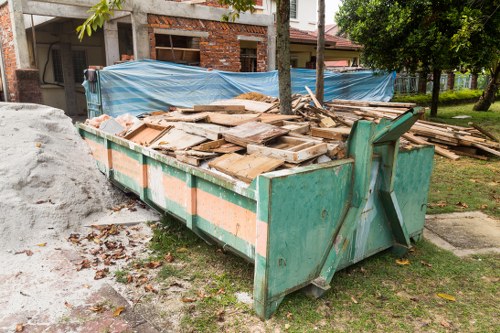
Construction and refurbishment work usually generates a steady flow of waste rather than a single one-off load. That makes skip hire particularly useful on building projects, because it gives trades and property owners a central place to keep rubble, timber, packaging and broken fixtures together as the job progresses. For this kind of work, the main considerations are capacity, access, and whether the waste is light mixed material or denser building debris.
If you are managing a project with demolition, strip-out or site preparation, there are specific service routes that may be a closer match than general household skip hire. Our pages for demolition waste removal, site clearance and construction waste clearance outline those related services. They are useful where the work involves more than one phase of waste removal, or where the site needs clearing back to a workable condition after the main activity is complete.
For some building jobs, a combination of services can be more efficient than using only one method. A skip may suit ongoing loading, while grab-style or collection-based services can help with bulk material or awkward waste once the main work has finished. The right choice depends on the material, the timing of the job and the amount of space available around the property or site.
Garden waste, garages and household clearances
Not every skip hire job is linked to building work. Many customers use a skip for garden waste, garage contents, loft clear-outs or general household decluttering. These jobs can produce an uneven mix of waste: bags of green material, broken household items, old storage boxes, timber shelving, and odds and ends that build up over time. A skip gives you one place to collect it all while you sort through what stays and what goes.
When the work is focused on one part of the property, it can help to think about the main waste type first. For garden projects, our garden waste removal page explains the kind of material usually associated with outdoor clearance. For items gathered from storage spaces, the garage and loft clearance and house clearance pages are useful if the job is broader than a standard skip fill. If you are dealing with a single bulky item or a mix of belongings that need collected rather than loaded by you, a different service may be more suitable.
Simple rule: choose a skip when you want space to sort and load gradually; choose a removal service when the waste is awkward, bulky or best lifted away in one go. That distinction is often the quickest way to decide between the available options and avoid paying for a container that is not the best fit.
About Finsbury Park
Finsbury Park is an area in north London best known today for its large public park, its transport links and the mix of residential streets, shops and community spaces around it. The park itself opened in 1869 and became one of the first major Victorian parks created in inner London. It covers a substantial green space with open lawns, tree-lined routes, sports areas and children’s facilities, and it remains one of the area’s most recognisable landmarks. Around the park, the streets reflect different periods of development, with late nineteenth- and early twentieth-century housing sitting alongside later infill and commercial premises. The name is also associated with the wider district around Finsbury Park station, which sits at an important interchange on the Piccadilly and Victoria lines as well as national rail routes. That transport role has helped shape the local character, making the area busy and well connected while still retaining pockets of quieter residential streets. Nearby landmarks and institutions include the Park Theatre on Clifton Terrace, a number of local cafes, places of worship and independent shops, and the wider urban landscape of Islington, Haringey and Hackney at the edges of the district. The area has a long association with music, sport and public events, and the park itself is frequently used for concerts and community gatherings. Together these elements give Finsbury Park a layered identity: part parkland, part transport hub and part established inner-London neighbourhood.
How to request a quotation

A clear quotation request does not need to be complicated. If you can describe the waste, the access and the rough scale of the job, that is usually enough to start. For skip hire, the most useful details are the type of waste, whether it is domestic or trade-related, and whether the container can be placed on private ground or needs to be positioned elsewhere. If you already know that you need a particular service, you can go straight to the relevant page and compare the options from there.
We also encourage customers to consider the timing of the work before they request a price. Some jobs need the skip in place while the work is still happening, while others are better served by a short, scheduled period of loading followed by removal. If you are not sure which approach is most practical, our same day skip hire and wait and load skip hire pages explain two common arrangements that may be useful depending on the access and pace of the job.
Requesting a quote is most effective when you include only the key facts: the service needed, the approximate quantity of waste and any access limits. That gives a clearer starting point than a long list of uncertain details. If you are ready to move ahead, please ask for a quotation now and use the service page that best matches the job.
Service range, recycling and final arrangements
Alongside standard skip hire, we offer a wider range of waste services that may suit different project types. These can be helpful when the job is not a simple one-container clear-out, or when the waste stream needs extra sorting, lifting or collection support. The most relevant option depends on whether you are dealing with building waste, mixed household items, commercial clearances or material that needs separating before disposal.
To compare related services, useful pages include grab hire services, muck away services and waste recycling services. If your work is focused on a lockable unit or a more contained option, the page for enclosed and lockable skip hire may be relevant. For especially bulky loads that are better suited to a vehicle-led collection, grab lorry hire and man and van can also be worth comparing.
For a final step, choose the page that best matches your waste type and access conditions, then ask for a quotation using the details you already have. If the job is straightforward, that is often enough to move from planning to booking without extra back and forth. Please contact us for a quote when you are ready.